
An honest look at both options so you can make the decision that is right for your loved one.
If you’ve been reading along with our recent posts, you’ve already thought through some of the signs that more support may be needed and how to start that conversation with a parent. The next question many families arrive at is a bigger one: what kind of support, and where?
Home care and living communities both exist for the same reason. They help older adults live well and receive the care they need. They just do it differently. Here’s an honest look at both, so you can make the decision that actually fits your loved one and your family.
What Home Care Offers
Home care allows your loved one to remain in the place they know. Their own home, with their own routines, their own belongings, and their own sense of identity intact. For many older adults, this isn’t just a preference. It’s a deeply held value, one that’s worth supporting whenever it can be done safely.
Professional home care like AlestaCare brings trained, vetted caregivers into that environment to provide personal care, companionship, meal preparation, medication reminders, transportation, and more. For clients enrolled in our AlestaLiving program, care also includes structured support for cognitive wellness. Physical activity, mental stimulation, social engagement, and more are woven into every visit. Care plans are individualized and adapt as needs change over time.
Home care works well across a wide range of needs, from a few hours of weekly assistance to more intensive daily support. It’s often the right starting point, and for many families, it continues to meet their loved one’s needs for years.
What a Living Community Offers
Living communities, including assisted living, memory care communities, and continuing care campuses, offer a different kind of environment. On-site care teams are available around the clock, which can be essential when a loved one’s needs require continuous oversight. Structured social programming, shared dining, and built-in community can also address issues of isolation.
For individuals who need more clinical 24-hour supervision beyond home care services, have complex medical needs, or whose safety at home can no longer be assured despite professional support, a residential community may be the most appropriate setting. These are real strengths, and families who choose that path are making a thoughtful, loving decision for their loved one.
The Questions Worth Considering
There’s no formula that produces the right answer, but there are questions that help families think it through clearly. How much supervision does your loved one realistically need, and can that be provided at home? How important is remaining at home to them? Have they expressed that wish clearly? Is the home environment safe and adaptable, or would significant modifications be needed? And practically speaking, what do the costs look like for each option in the Charleston area?
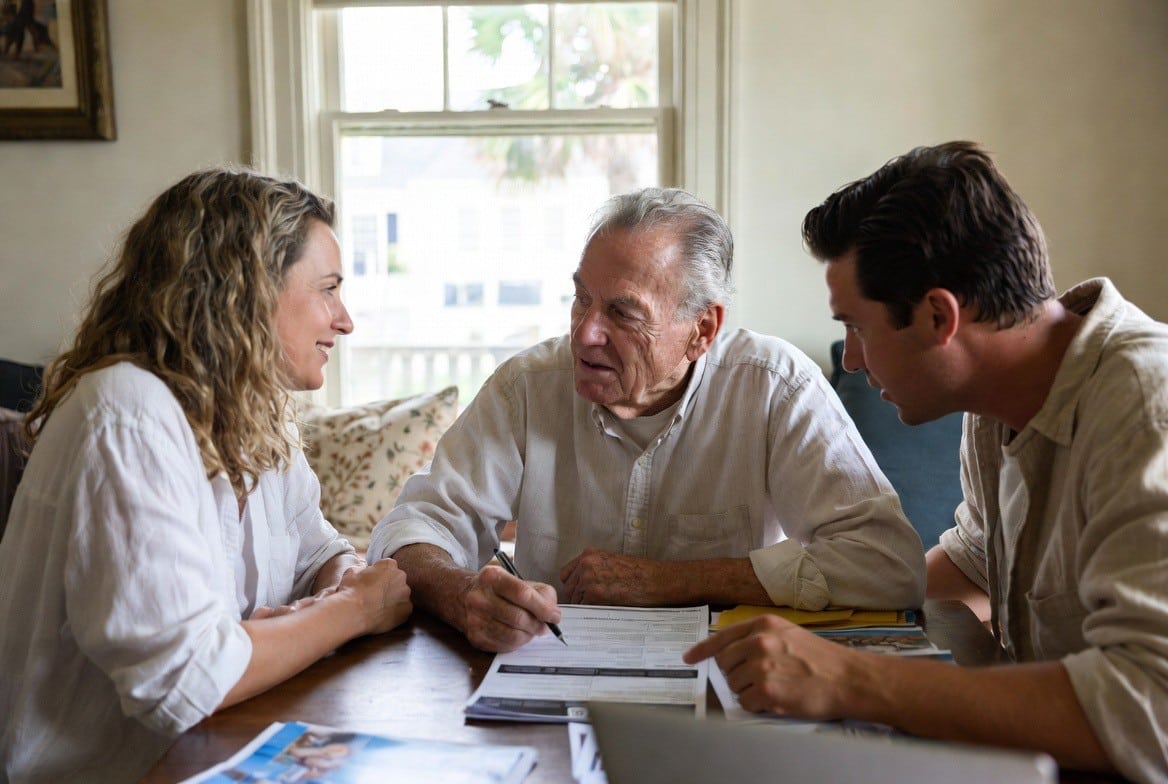
It’s also worth having an honest conversation with your loved one, if they’re able to participate. Their preferences and values should be at the center of this decision, not just the logistics.
A Note on Living Communities and Home Care Together
One thing families sometimes discover after a loved one moves into an assisted living or memory care community is that the care ratio isn’t what they expected. Most residential communities provide oversight, safety, and group programming — but not dedicated one-on-one attention. The staffing model simply doesn’t support it.
That’s why some of AlestaCare’s most meaningful client relationships have been with individuals already living in a residential community. We come in to provide what the community cannot: a consistent, dedicated caregiver focused entirely on one person. Personal engagement, cognitive wellness support through AlestaLiving, a familiar face every day. Home care and residential care aren’t mutually exclusive — and for many families, combining them is the answer that actually works.
It Doesn’t Have to Be All or Nothing
Many families find that home care is the right starting point, providing meaningful support while preserving the independence and familiarity that matter so much to their loved one. As needs evolve, the care plan evolves with them.
AlestaCare works with clients wherever they call home, whether that is a private residence, a hospital, a rehab unit, or a living community. We want them to feel at home.
We’ll Help You Think It Through
AlestaCare isn’t in the business of steering families toward a particular decision. We’re in the business of helping them make the right one for their situation. Our free consultations are a space to ask questions, think out loud, and get honest perspective from people who work with families navigating exactly this every day.
Ready to talk through what you’re seeing? Call AlestaCare at (843) 800-2332 or schedule a free consultation at alestacare.com. We’re here when you’re ready.
Are you a care professional or community connector? If you work with seniors or families in the Charleston area, we’d welcome the opportunity to introduce ourselves. AlestaCare accepts referrals from physicians, discharge planners, social workers, senior living communities, and community organizations, among others. Call us or contact us to start a relationship.