

By Daniel Poch, Founder & CEO of AlestaCare
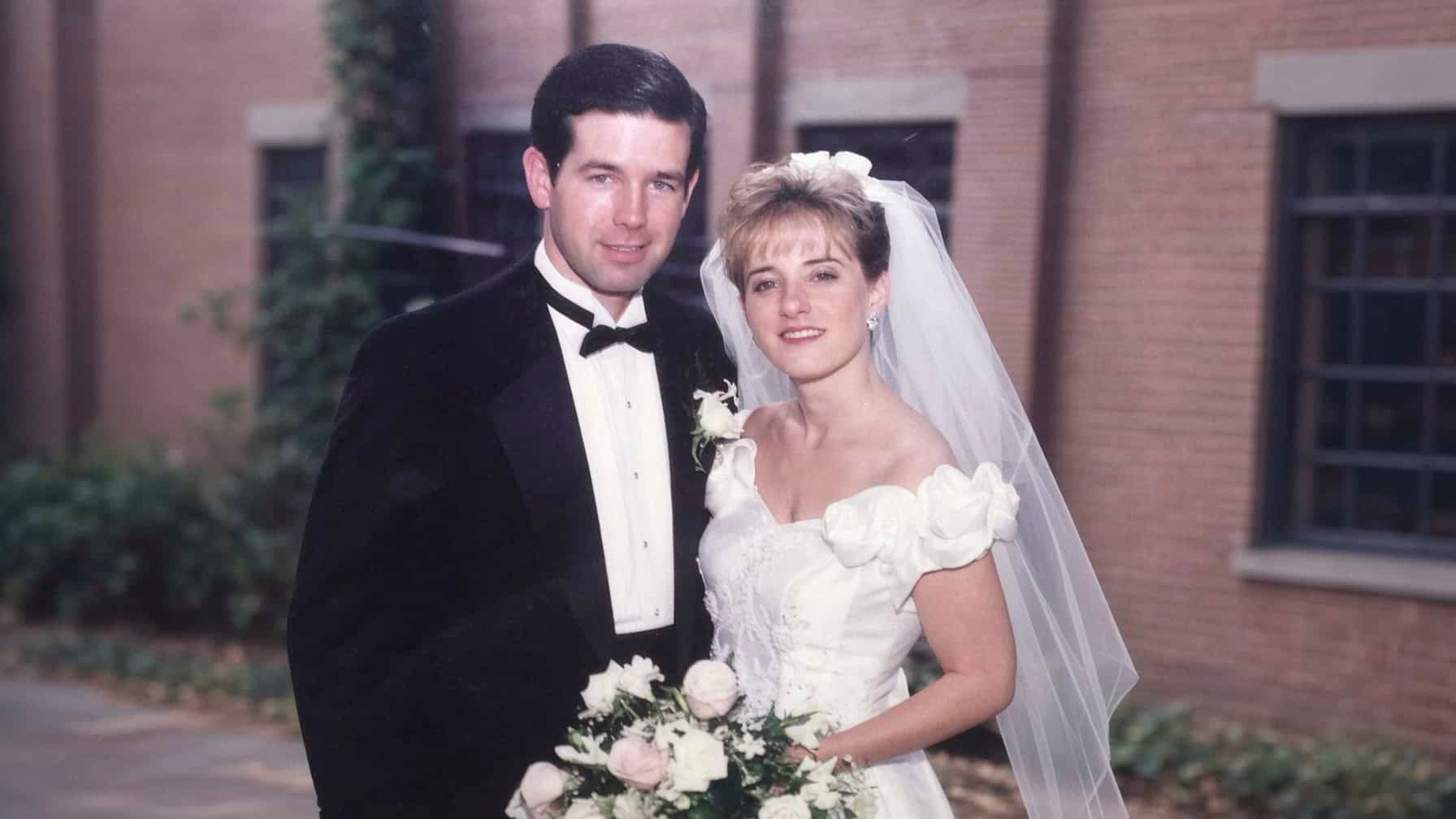
We have a wedding coming up at the end of next week. Our oldest son is getting married, and we are very excited about it. I’ve been thinking a lot about the wedding itself, the events surrounding it, and of course our son and his lovely fiancée.
I’ve also started to think about some of our family members and older friends who will be coming. I know some of the physical challenges they have or are likely to have. I am also wondering about their cognitive health.
Our son’s wedding is giving us an early preview of what families who live far from older loved ones will likely experience during the upcoming holidays. We will all be getting a glimpse of the physical and mental health of older family members and friends we may not have seen in some time.
When you travel to a loved one’s home after a long absence, signs of current or coming challenges can be more obvious. We won’t be seeing our guests at their homes, though. We’ll see them at a rehearsal dinner, a ceremony and a reception. Some of the more obvious signs, like very dated food in the refrigerator or mail piling up unopened, won’t be visible.
There are still other signs that can be telling, so here is what I’ll be looking for. You may want to consider how and where you expect to see your loved ones so you have an idea of what to look for as well.
Getting There
Who drove, and how did it go? I’ll notice if someone arrives late, mentions getting turned around on a familiar route, or has new dents on the car. If someone who has always driven now needs a ride, that may be worth a gentle question later.
Moving Around
A wedding venue is an unfamiliar place, with steps, uneven ground, dim lighting and crowds. I’ll watch for difficulty on stairs, steadying on chairs and tables, or pushing up from a seat with both arms.
Appearance
Compared with the last time I saw them, has their weight changed? Do their clothes fit differently? Is there less attention to grooming than I’d expect, especially for a dressy occasion?
At the Table
Receptions are loud. Can they follow the conversation, or do they go quiet? Telling the same story twice in one evening is different from a favorite story told for years. Trouble hearing in a noisy room can look like confusion, so I’ll keep both in mind. I’ll also look to see whether they’re eating much.
The Spouse
If one partner is caring for the other, I’ll watch for exhaustion and for covering: answering questions for them or finishing their sentences (more than usual!).
Keeping It in Perspective
Travel, crowds, and late nights can make anyone seem a bit off, and many people rally for a special occasion. Don’t let the event be the reason to excuse signs but also be cognizant that the event may also contribute more to them. One sign isn’t a verdict.
Afterward
If something concerns you, is there an opportunity for you or someone else you know to stop by their home in the days or weeks that follow? A few minutes in their kitchen can tell you more than an entire evening. Write down what is seen and compare notes with other family privately, not at the table. When you’re ready to talk with your parent, our post How to Talk to a Parent About Home Care can help.
Mostly, though, I’ll be celebrating our son and his bride. What a blessing they are!
Ready to talk through what you’re seeing? Call AlestaCare at (843) 800-2332 or schedule a free consultation at alestacare.com. We’re here when you’re ready.
Are you a care professional or community connector? If you work with seniors or families in the Charleston area, we’d welcome the opportunity to introduce ourselves. AlestaCare accepts referrals from physicians, discharge planners, social workers, senior living communities, and community organizations, among others. Call us or contact us to start a relationship.