

By Dan Poch, Founder and CEO AlestaCare
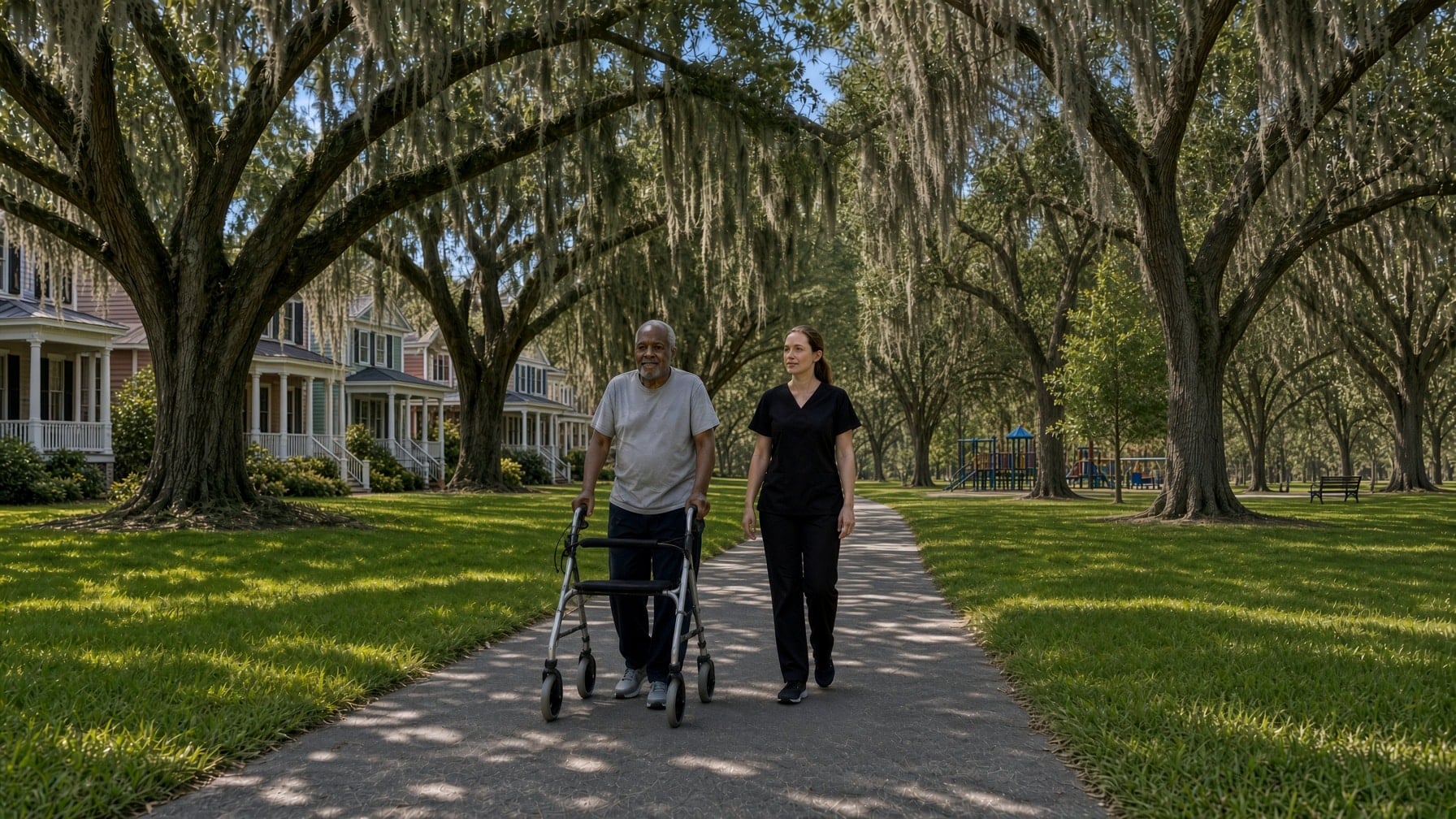
Physical movement supports independence and may benefit brain health in older adults.
Each week in our office, our team sets aside time to discuss one topic related to cognitive health and how we can better support it in the people we serve. This week’s topic was physical activity and movement.
The National Institute on Aging defines cognitive health as the ability to clearly think, learn, and remember. When cognitive health declines, a person often needs more help from others whether it is family, a company like ours, or a senior living community. Families usually bring AlestaCare in to complement the care they already provide. The shared goal is protecting and extending the independence of their loved one wherever they call home for as long as possible.
Physical activity is one of the most practical tools for that goal. Walking, dancing, gardening, and everyday household chores all count. For people with limited mobility, smaller movements still matter. Seated arm raises, marching in place while seated, and ankle pumps keep muscles and joints working. Federal guidelines suggest older adults aim for about 150 minutes of moderate activity a week, plus strength and balance work. For many of our clients, though, the more useful target is simply moving a little more than yesterday.
Research supports the importance of this. Physical activity improves circulation and builds strength. When it includes balance and strength exercises, it lowers the risk of falls, one of the most serious threats to an older adult’s independence. Additionally, older adults who are physically active have a lower risk of dementia, including Alzheimer’s disease, based on observational studies. The honest summary is that movement is clearly good for the body and may help the brain, but it is not a guarantee.
That is still reason enough to make movement part of daily life. Our caregivers look for natural opportunities like a walk to the mailbox, folding laundry together, or a few stretches during a favorite show. Pairing movement with conversation or music adds social and mental engagement, which matters for cognitive health in its own right.
Safety comes first. Anyone starting a new activity, especially after a fall, illness, or hospital stay, should check with their doctor or physical therapist. Our role is to encourage and support the activity their care team recommends, not to prescribe it.
A friend and former co-worker used to say, “Walk the dog, even if you don’t have one.” Now that I work with older adults, I’d amend it slightly: “Walk the dog, even if it’s from the safety of your chair.”
Our normal disclaimer applies – We’re a home care company, not a medical or research organization. Nothing above is medical advice — it’s a plain-language look at research that informs how we think about caregiving. Anyone engaging in physical activity should do so with approval of their medical providers.
Ready to talk through what you’re seeing? Call AlestaCare at (843) 800-2332 or schedule a free consultation at alestacare.com. We’re here when you’re ready.
Are you a care professional or community connector? If you work with seniors or families in the Charleston area, we’d welcome the opportunity to introduce ourselves. AlestaCare accepts referrals from physicians, discharge planners, social workers, senior living communities, and community organizations, among others. Call us or contact us to start a relationship.