

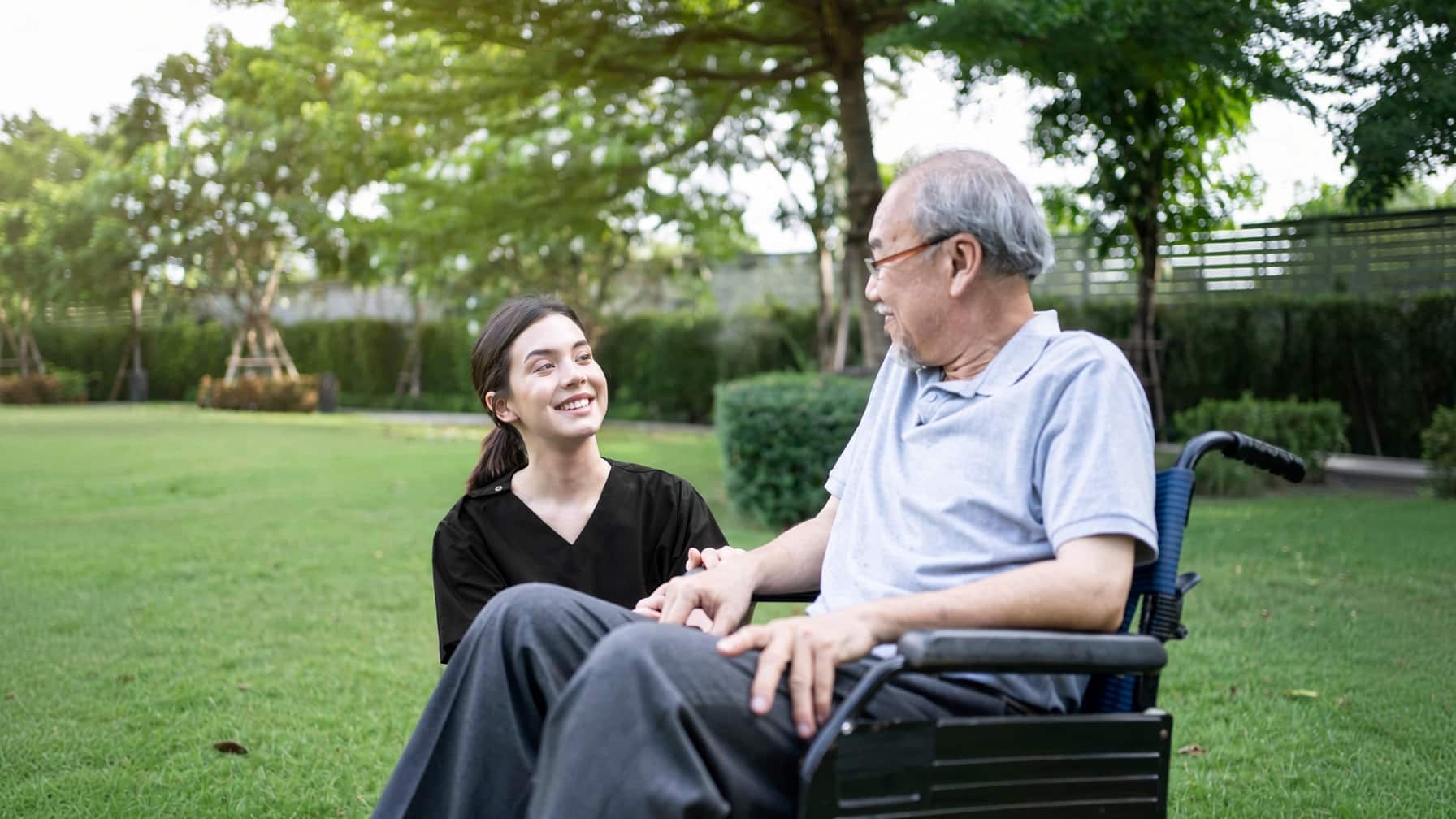
Supporting independence and rehabilitation in the comfort of home.
Recovery Happens at Home
Following a stroke, returning to familiar surroundings is not just emotionally beneficial — it actively supports the recovery you and your clinical team desire. In-home care after a stroke allows rehabilitation to happen in the real environment where independence matters: the kitchen where meals get made, the path from bedroom to bathroom, the favorite chair by the window, your front porch with your Lowcountry view. Those everyday spaces are where progress gets put to use.
The First Weeks Home After a Stroke
The move from hospital or rehab facility back to your home is often the hardest stretch. Routines are new, energy may be limited, and families are still learning what has changed. Consistent, dependable help during this period gives everyone room to settle in, instead of trying to figure everything out at once.
What Home Care Adds for Stroke Survivors
AlestaCare provides consistent support for daily tasks that may have become difficult after a stroke: personal care, meal preparation, medication reminders, safe mobility assistance, and transportation to and from follow up appointments. We support the daily routines and goals that you and your therapy team have set, and we encourage your loved one to do as much for themselves as they safely can. The aim is to support independence, not to take over tasks they are working to regain.
Patience Makes a Difference
A stroke can change how a person speaks, moves, or handles tasks that used to be automatic. Our caregivers allow extra time, avoid rushing or finishing sentences for someone, and celebrate small steps. That patience matters as much as any physical help.
Emotional Support Matters
Stroke recovery is often emotionally difficult — grief over lost function, frustration with progress, and fear of another event are common. AlestaCare caregivers provide compassionate presence and consistent encouragement, on the good days and the discouraging ones.
Support for the Family, Too
Family members often become caregivers overnight, and the strain can be heavy. Having a steady, trained caregiver share the daily load gives families room to rest, focus on the relationship, and be a spouse, son, or daughter again rather than only a caregiver.
Keeping Everyone on the Same Page
We keep families informed about how each day went through the family portal, which routines are working, and anything that seemed different, so you can share accurate updates with your loved one’s physicians and therapists. If you ask us to build a therapist’s recommended routine into the day, we are glad to. Our role is non-medical, and we are not a replacement for therapy or medical care. We are the steady, everyday support around it in Charleston, Berkeley, and Dorchester Counties.
Ready to talk through what you’re seeing? Call AlestaCare at (843) 800-2332 or schedule a free consultation at alestacare.com. We’re here when you’re ready.
Are you a care professional or community connector? If you work with seniors or families in the Charleston area, we’d welcome the opportunity to introduce ourselves. AlestaCare accepts referrals from physicians, discharge planners, social workers, senior living communities, and community organizations, among others. Call us or contact us to start a relationship.