
Two underappreciated domains of brain health — and how AlestaCare addresses them.
Sleep Is Not Optional — Especially for Aging Brains
Researchers have discovered that the brain has its own overnight cleanup system, sometimes called the glymphatic system. During sleep, this system appears to help clear out byproducts of normal brain activity — including proteins like amyloid and tau that are associated with Alzheimer’s disease when they build up over time.
A study in Nature Communications found that after a night of normal sleep, participants showed better overnight clearance of these Alzheimer’s-related proteins into the bloodstream than they did after a night of sleep deprivation. It’s a small, carefully controlled trial looking at a single night’s effect — not proof that fixing your sleep prevents dementia, which is a much bigger question researchers are still working on. Separately, longer-running population studies have found that people who sleep poorly over months or years tend to show more of these proteins building up, and a higher risk of dementia down the road.
Put together, this is a real, growing body of evidence that sleep isn’t just downtime. It looks like active maintenance work the brain does for itself, and disrupted sleep may take a toll over time.
Common Sleep Challenges in Older Adults
Sleep changes naturally with age. Older adults often experience lighter sleep, more frequent waking, earlier wake times, and shifted circadian rhythms. Conditions like sleep apnea, restless leg syndrome, and chronic pain can make things harder. None of this is talked about enough, and much of it is manageable with the right support and medical care.
What AlestaCare Does
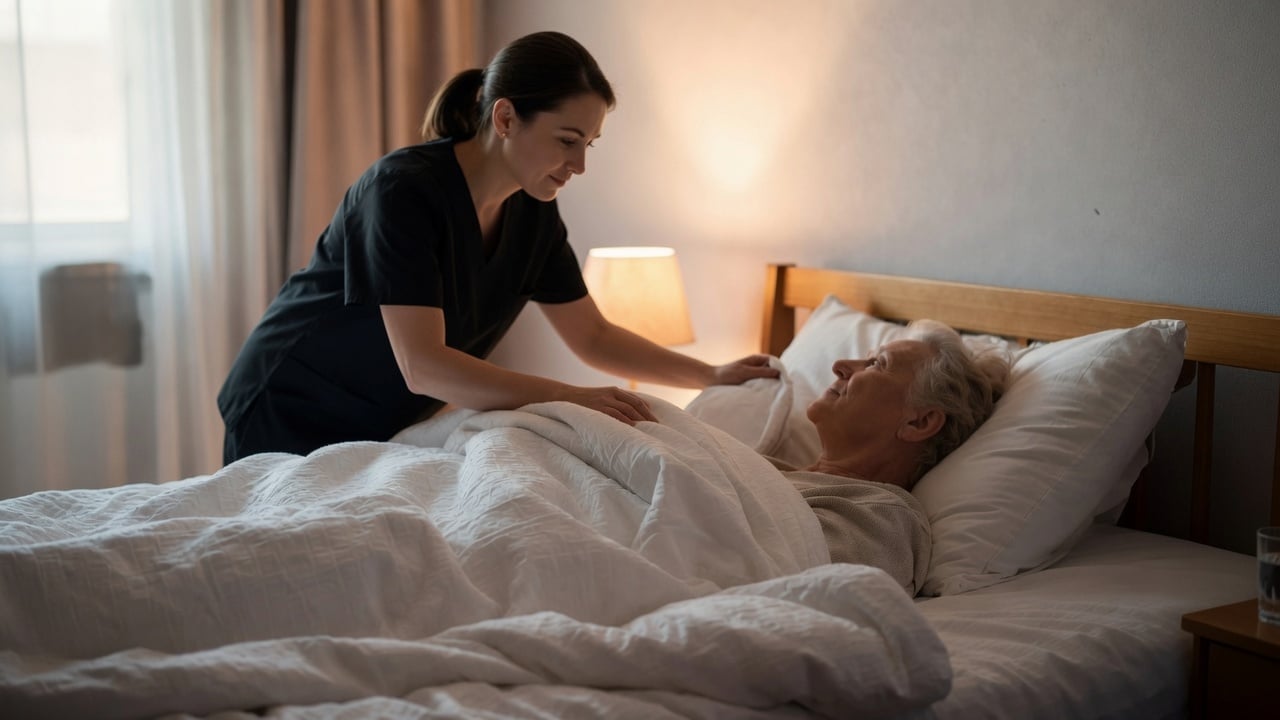
We’re not able to diagnose or treat sleep problems — that’s a job for a physician. What our caregivers can do is help build the everyday conditions for better rest: consistent bedtimes, calming pre-sleep routines, appropriate lighting, and less stimulation in the evening hours. We also keep an eye out for signs of disrupted sleep and let families know, so medical support can be brought in when it’s needed.
Stress and Cognitive Health
There’s also a well-studied connection between chronic stress and brain health. When the body is under prolonged stress, it produces more of the hormone cortisol, and researchers have linked sustained high cortisol levels in older adults to changes in the hippocampus — a brain region central to memory. A 7-year follow-up study published in BMC Geriatrics found that older adults with persistently elevated cortisol over several years showed smaller hippocampal volume and weaker memory performance than their peers.
Researchers are still working out exactly how much of a role this plays in dementia risk specifically — much of the human evidence is observational rather than experimental, so it shows a strong association rather than definitive proof. But it’s a serious enough finding that reducing chronic stress in older adults — loneliness, loss of independence, health anxiety, caregiver conflict — is treated as a meaningful, evidence-informed goal in its own right, not just a nice-to-have.
A Calm, Consistent Presence
One of the most underrated things our caregivers provide is simply a calm, reliable presence. Knowing that a trusted person is coming — that care will be consistent, gentle, and respectful — can ease a lot of the everyday anxiety many seniors carry. We believe that steadiness matters for quality of life, and it fits with what the research on stress and brain health suggests may matter too — even though it isn’t something written into any clinical protocol.
Our normal disclaimer applies – We’re a home care company, not a medical or research organization. Nothing below is medical advice — it’s a plain-language look at research that informs how we think about caregiving. Anyone with concerns about memory, sleep, or cognitive health should talk to a doctor.
Ready to talk through what you’re seeing? Call AlestaCare at (843) 800-2332 or schedule a free consultation at alestacare.com. We’re here when you’re ready.
Are you a care professional or community connector? If you work with seniors or families in the Charleston area, we’d welcome the opportunity to introduce ourselves. AlestaCare accepts referrals from physicians, discharge planners, social workers, senior living communities, and community organizations, among others. Call us or contact us to start a relationship.